
Bleeding & Coagulation Disorders
Treatment in Chh. Sambhajinagar
Bleeding and Coagulation Disorders are conditions that affect the body’s ability to form blood clots properly. Some disorders cause excessive bleeding, while others increase the risk of abnormal blood clot formation. These conditions can range from mild to life-threatening and often require specialized evaluation and long-term management by a hematologist.
What are Bleeding & Coagulation Disorders?
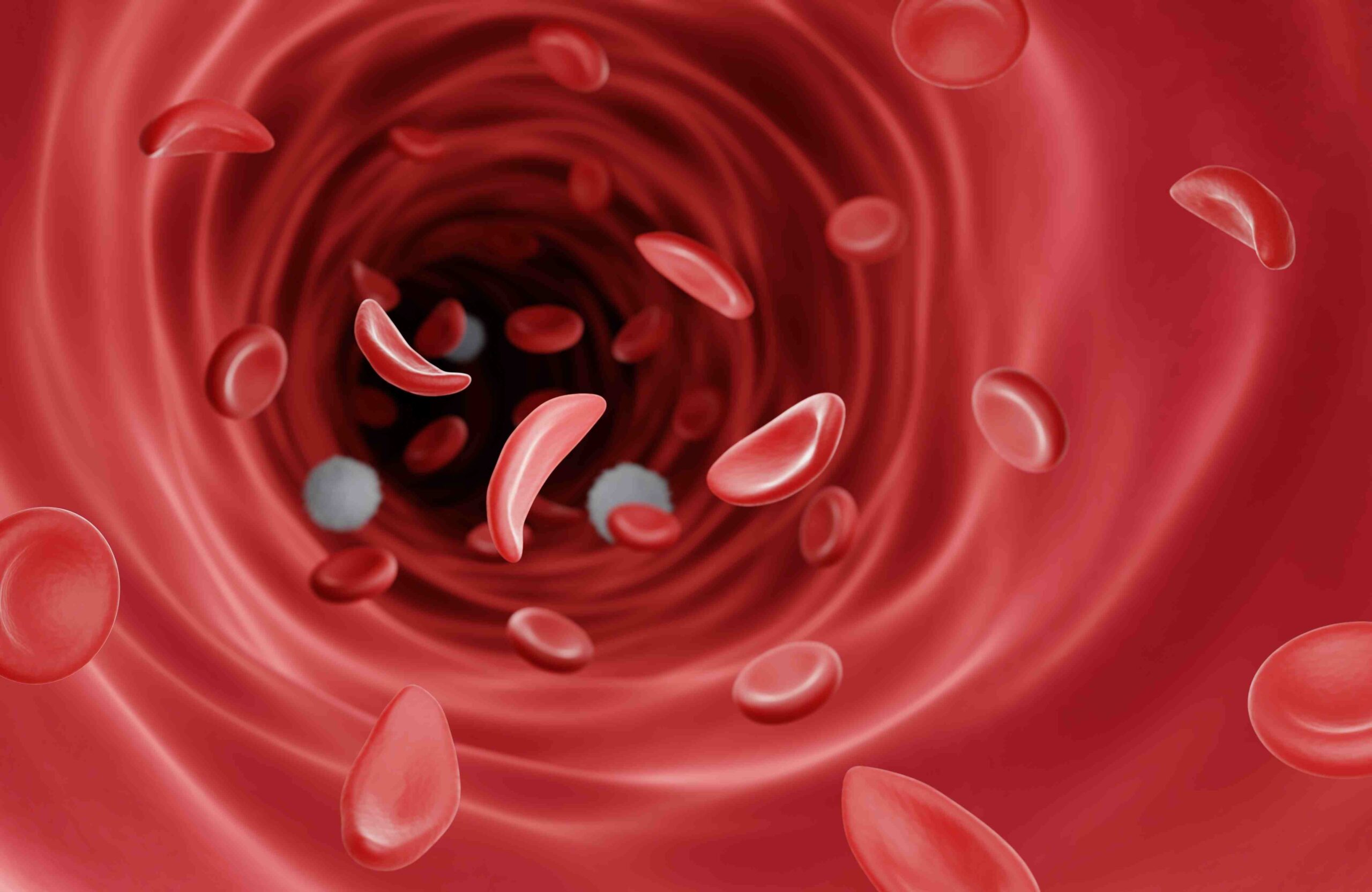
The body relies on platelets and clotting factors to stop bleeding after an injury. When this process is disrupted, a person may experience excessive bleeding or abnormal clot formation.
Bleeding disorders occur when blood cannot clot effectively, leading to prolonged or spontaneous bleeding. Coagulation disorders, on the other hand, may cause blood clots to form unnecessarily inside blood vessels, increasing the risk of serious complications such as stroke, deep vein thrombosis, or pulmonary embolism.
Early diagnosis is essential for preventing complications and improving quality of life.
Symptoms of Bleeding & Coagulation Disorders
Frequent nosebleeds
Bleeding gums
Dizziness Tiredness
Easy bruising
Excessive menstrual bleeding
Joint bleeding and swelling
What Causes Bleeding & Coagulation Disorders
Hemophilia
An inherited disorder caused by deficiency of specific clotting factors, resulting in prolonged bleeding.
Von Willebrand Disease
A common inherited bleeding disorder caused by deficiency or dysfunction of Von Willebrand Factor, a protein involved in blood clotting.
Immune Thrombocytopenia
A condition in which the immune system mistakenly destroys platelets, increasing bleeding risk.
Thrombophilia
A group of conditions that increase the tendency to develop abnormal blood clots.
Deep Vein Thrombosis
Formation of blood clots in deep veins, usually in the legs.
How Do We Diagnose Thrombophilia Screening ?
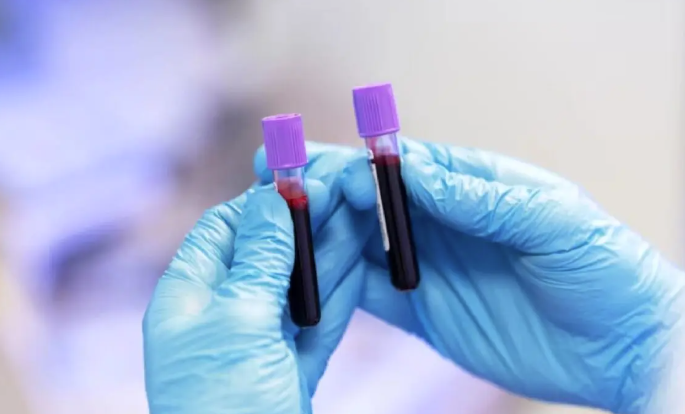
- Complete Blood Count (CBC)
- Platelet Function Tests
- Prothrombin Time (PT)
- Activated Partial Thromboplastin
- Clotting Factor Assays
- Thrombophilia Screening

Why Choose Jeevan Amrut?
- Experienced Haematology Specialists
- Advanced Diagnostic Facilities
- Personalized Treatment Plans
- Compassionate Patient Care
- Long-Term Monitoring & Follow-Up
- Comprehensive Blood Disorder Management
Specialized Care for Bleeding & Clotting Disorders
Whether you are experiencing excessive bleeding, recurrent blood clots, or abnormal clotting test results, expert hematology care can help identify the cause and provide effective treatment.

What are bleeding and coagulation disorders?
Bleeding and coagulation disorders are conditions that affect the body's ability to form blood clots properly, leading to excessive bleeding or, in some cases, abnormal clotting.
What are the symptoms of bleeding and coagulation disorders?
Common symptoms include frequent nosebleeds, bleeding gums, easy bruising, prolonged bleeding after injuries or surgery, heavy menstrual bleeding, and bleeding into joints or muscles.
What causes bleeding and coagulation disorders?
These disorders may be inherited, such as hemophilia and von Willebrand disease, or acquired due to liver disease, vitamin K deficiency, certain medications, autoimmune conditions, or other medical disorders.
How are bleeding and coagulation disorders diagnosed?
Diagnosis involves a Complete Blood Count (CBC), clotting tests such as PT and aPTT, clotting factor assays, platelet function tests, and other specialized investigations.
What are the treatment options for bleeding and coagulation disorders?
Treatment depends on the underlying cause and may include clotting factor replacement therapy, medications, platelet transfusions, vitamin K, blood products, and management of the underlying condition.
Why choose Jeevan Amrut Haematology Centre for bleeding and coagulation disorder treatment?
Jeevan Amrut Haematology Centre offers comprehensive evaluation, advanced diagnostic facilities, expert hematologist consultation, personalized treatment plans, and long-term care for patients with bleeding and coagulation disorders.