

Lymphoma
Treatment in Chh. Sambhajinagar
Lymphoma is a type of blood cancer that develops in the lymphatic system, an important part of the body’s immune system. It occurs when lymphocytes, a type of white blood cell, grow abnormally and multiply uncontrollably. Early diagnosis and specialized treatment are essential for achieving the best possible outcomes and improving quality of life.
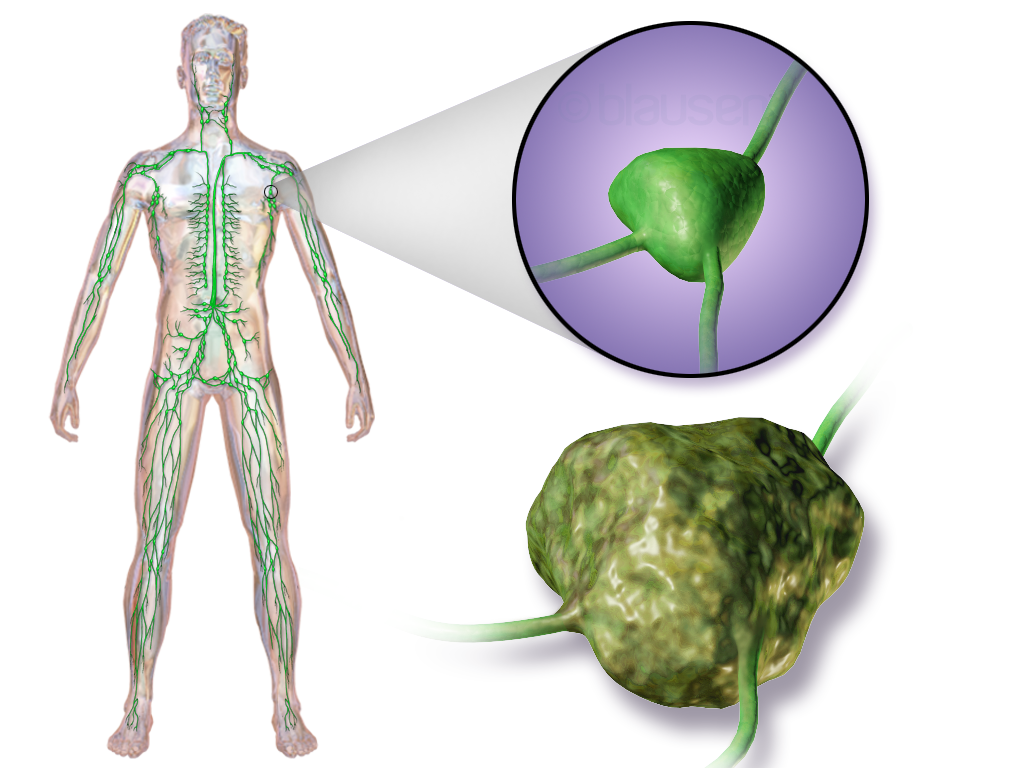
What is Lymphoma?
Lymphoma is a cancer that begins in the lymphatic system, which includes lymph nodes, spleen, bone marrow, and other immune tissues throughout the body.
In lymphoma, abnormal lymphocytes multiply uncontrollably and may accumulate in lymph nodes and other organs. This can affect the body’s ability to fight infections and perform normal immune functions.
Lymphoma is one of the most common blood cancers and includes several different subtypes, each requiring a specific treatment approach.
Symptoms of Lymphoma
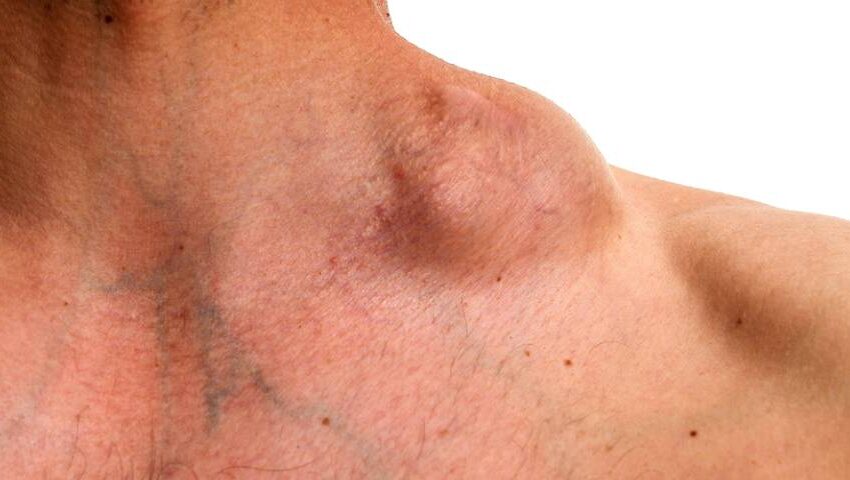
Swollen lymph nodes in the neck
Persistent fatigue
Unexplained weight loss
Fever without infection
Night sweats
Persistent itching
Causes & Risk Factors

Immune System Disorders
Individuals with weakened immune systems may have a higher risk of developing lymphoma.
Viral Infections
Certain viral infections have been associated with an increased risk of lymphoma.
Increasing Age
The risk of many lymphoma types increases with age, although some forms can affect younger individuals.
Family History
A family history of lymphoma may slightly increase risk in certain cases.
Exposure to Chemicals
Long-term exposure to specific chemicals and environmental factors may contribute to lymphoma development.
Diagnosis of Lymphoma
- Complete Blood Count (CBC)
- Lymph Node Biopsy
- Bone Marrow Examination
- Flow Cytometry
- Immunohistochemistry
- PET-CT Scan


Why Choose Jeevan Amrut?

- Experienced Haematology Specialists
- Advanced Diagnostic Facilities
- Personalized Treatment Plans
- Compassionate Patient Care
- Long-Term Monitoring & Follow-Up
- Comprehensive Blood Disorder Management
Expert Lymphoma Care Starts with Early Diagnosis
If you are experiencing swollen lymph nodes, unexplained weight loss, persistent fatigue, or other concerning symptoms, specialized evaluation is important.


What is lymphoma?
Lymphoma is a cancer that develops in the lymphatic system.
What are the signs of lymphoma?
Swollen lymph nodes, fever, night sweats, fatigue, and unexplained weight loss.
What are the main types of lymphoma?
Hodgkin lymphoma and Non-Hodgkin lymphoma.
How is lymphoma diagnosed?
Diagnosis may involve lymph node biopsy, blood tests, and imaging studies.
Can lymphoma be cured?
Many lymphoma patients respond well to treatment and achieve long-term remission.
What treatment options are available?
Chemotherapy, immunotherapy, targeted therapy, and radiation therapy.
Do you provide comprehensive lymphoma care?
Yes, we offer advanced diagnostic and treatment services for lymphoma.