

PNH (Paroxysmal Nocturnal Hemoglobinuria)
Treatment in Chh. Sambhajinagar
Paroxysmal Nocturnal Hemoglobinuria (PNH) is a rare and potentially serious blood disorder in which red blood cells break down prematurely. This process, known as hemolysis, can lead to anemia, fatigue, blood clots, and other complications. Early diagnosis and expert hematology care are essential for managing symptoms, preventing complications, and improving quality of life.
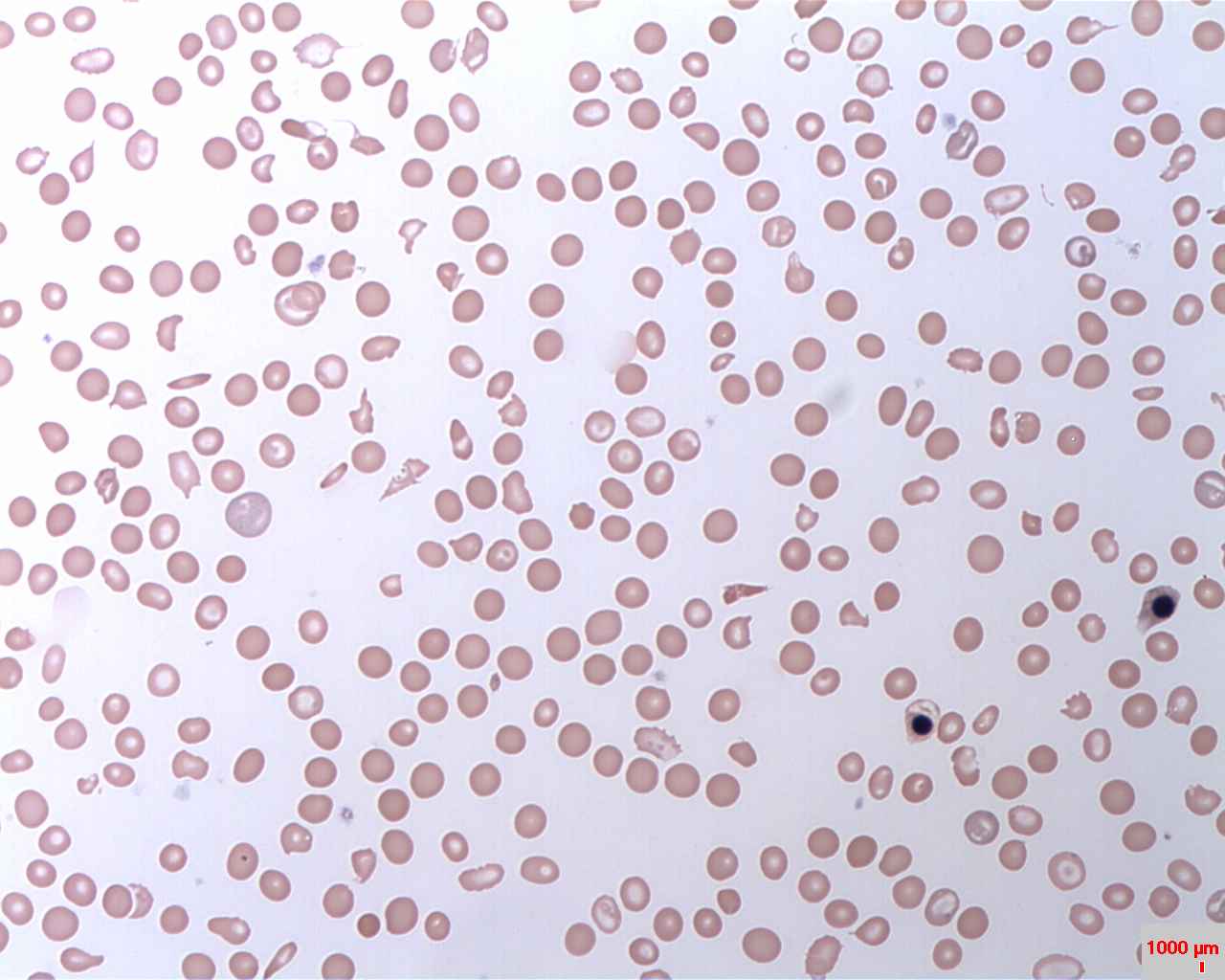
What is Paroxysmal Nocturnal Hemoglobinuria (PNH)?
Paroxysmal Nocturnal Hemoglobinuria (PNH) is a rare acquired blood disorder caused by a genetic mutation in bone marrow stem cells. This mutation makes red blood cells more vulnerable to destruction by the body’s immune system.
As red blood cells break down, hemoglobin is released into the bloodstream and urine, which may cause dark-colored urine, particularly in the morning. PNH can affect red blood cells, white blood cells, and platelets, increasing the risk of anemia, infections, and blood clot formation.
Common Symptoms Paroxysmal Nocturnal Hemoglobinuria
Persistent fatigue and weakness
Shortness of breath
Dizziness Tiredness
Pale skin
Abdominal pain
Difficulty swallowing
Causes & Risk Factors
Acquired Genetic Mutation
PNH develops due to an acquired mutation in the PIGA gene within bone marrow stem cells.
Bone Marrow Disorders
PNH is often associated with bone marrow conditions such as: Aplastic Anemia Bone Marrow Failure Syndromes Myelodysplastic Syndromes (MDS)
Immune-Mediated Bone Marrow Damage
Abnormal immune activity affecting bone marrow cells may contribute to the development of PNH in some individuals.
How Do We Diagnose PNH
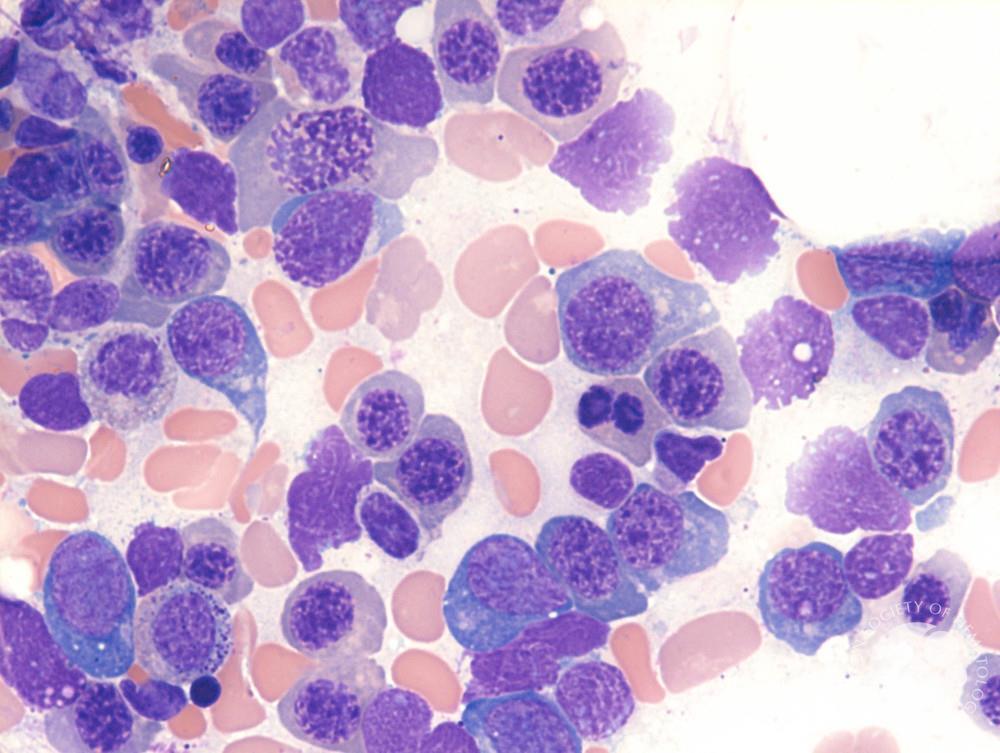
- Reticulocyte Count
- Lactate Dehydrogenase (LDH) Levels
- Bilirubin Testing
- Haptoglobin Levels
- Bone Marrow Examination
- Clotting Evaluation

Why Choose Jeevan Amrut?

- Experienced Haematology Specialists
- Advanced Diagnostic Facilities
- Personalized Treatment Plans
- Compassionate Patient Care
- Long-Term Monitoring & Follow-Up
- Comprehensive Blood Disorder Management
Expert Care for Rare Blood Disorders
If you are experiencing unexplained anemia, dark urine, recurrent blood clots, or abnormal blood counts, specialized hematology evaluation is essential.


What is Paroxysmal Nocturnal Hemoglobinuria (PNH)?
PNH is a rare, life-threatening blood disorder in which red blood cells are destroyed prematurely due to a defect in the cell membrane, leading to anemia, clotting risk, and other complications.
What are the symptoms of PNH?
Common symptoms include fatigue, dark-colored urine (especially in the morning), shortness of breath, abdominal pain, difficulty swallowing, anemia, and unexplained blood clots.
What causes PNH?
PNH is caused by an acquired mutation in bone marrow stem cells that leads to abnormal red blood cells that are more easily destroyed by the immune system.
How is PNH diagnosed?
Diagnosis is mainly done through a flow cytometry test (FLAER test), along with Complete Blood Count (CBC), LDH levels, reticulocyte count, and other supportive blood tests.
What are the treatment options for PNH?
Treatment may include complement inhibitors (such as eculizumab or related therapies), blood transfusions, iron and folic acid support, anticoagulation therapy, and bone marrow transplantation in severe cases.
Why choose Jeevan Amrut Haematology Centre for PNH treatment?
Jeevan Amrut Haematology Centre provides expert diagnosis, advanced flow cytometry testing, personalized treatment plans, modern targeted therapies, and comprehensive long-term care for patients with PNH.