

Hemophilia
Treatment in Chh. Sambhajinagar
Hemophilia is a rare inherited bleeding disorder in which the blood does not clot properly due to a deficiency of certain clotting factors. As a result, individuals with Hemophilia may experience prolonged bleeding after injuries, surgeries, or even spontaneous bleeding into joints and muscles. Early diagnosis and expert medical care are essential to prevent complications and maintain a healthy, active life.
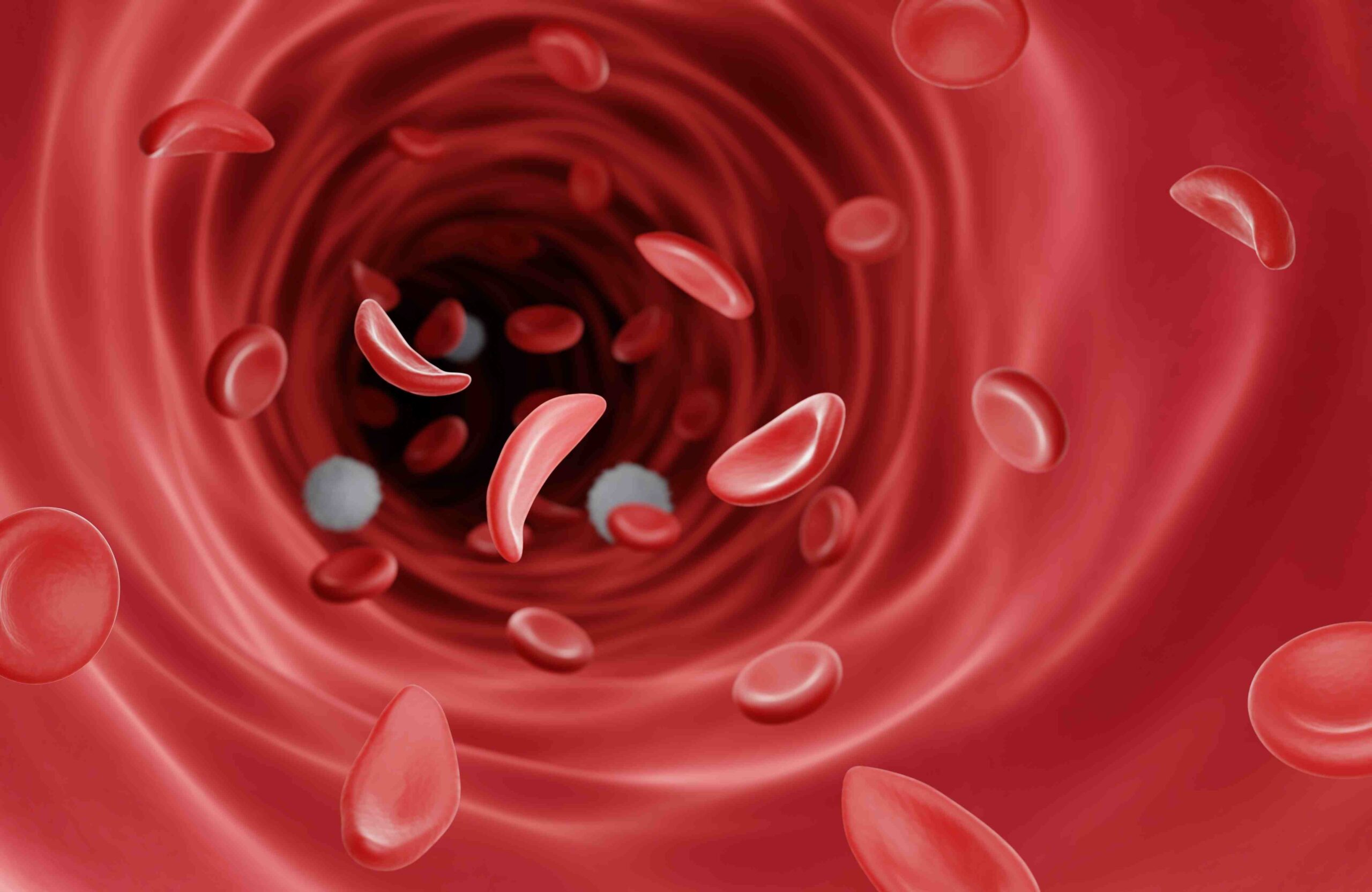
What is Hemophilia?
Hemophilia is a genetic bleeding disorder that affects the body’s natural blood-clotting process. Normally, clotting factors work together to stop bleeding after an injury. In people with Hemophilia, one of these clotting factors is either missing or present in very low amounts.
This prevents blood from clotting efficiently, increasing the risk of prolonged bleeding and internal hemorrhage. Hemophilia is usually diagnosed during childhood, but milder cases may be detected later in life.
Common Symptoms of Hemophilia
Prolonged bleeding after injuries
Frequent nosebleeds
Bleeding gums
Joint pain and swelling
Bleeding into muscles
Blood in urine or stool
Causes & Risk Factors
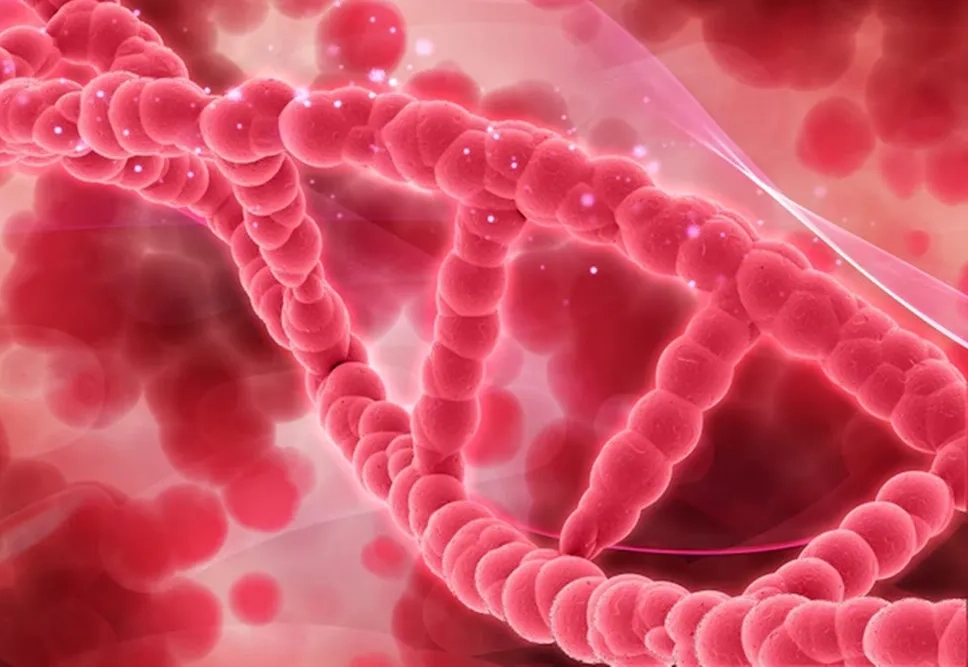
Genetic Inheritance
Hemophilia is primarily an inherited disorder caused by mutations in genes responsible for clotting factor production.
Family History
Individuals with a family history of Hemophilia are at higher risk of developing the condition.
Clotting Factor Deficiency
The disorder occurs due to deficiency or absence of specific clotting proteins that are necessary for normal blood clot formation.
Rare Acquired Hemophilia
In uncommon cases, Hemophilia may develop later in life when the body's immune system mistakenly attacks clotting factors.
How Do We Diagnose Hemophilia
- Complete Blood Count (CBC)
- Coagulation Profile
- Activated Partial Thromboplastin Time (aPTT)
- Prothrombin Time (PT)
- Clotting Factor Assays
- Family History Evaluation


Why Choose Jeevan Amrut?

- Experienced Haematology Specialists
- Advanced Diagnostic Facilities
- Personalized Treatment Plans
- Compassionate Patient Care
- Long-Term Monitoring & Follow-Up
- Comprehensive Blood Disorder Management
Expert Hemophilia Care for Better Quality of Life
Early diagnosis and proper treatment can help prevent complications and allow individuals with Hemophilia to live active and fulfilling lives.


What is hemophilia?
Hemophilia is a rare inherited bleeding disorder in which the blood does not clot properly due to a deficiency of certain clotting factors, leading to prolonged or excessive bleeding.
What are the symptoms of hemophilia?
Common symptoms include prolonged bleeding after injuries or surgery, frequent nosebleeds, easy bruising, bleeding into joints and muscles, and excessive bleeding after dental procedures.
What causes hemophilia?
Hemophilia is usually caused by an inherited genetic mutation affecting clotting factor VIII (Hemophilia A) or clotting factor IX (Hemophilia B). In rare cases, it may develop later in life (acquired hemophilia).
How is hemophilia diagnosed?
Diagnosis involves blood clotting tests, clotting factor assays, a Complete Blood Count (CBC), and genetic testing when appropriate.
What are the treatment options for hemophilia?
Treatment may include clotting factor replacement therapy, desmopressin (for selected patients), antifibrinolytic medications, preventive (prophylactic) therapy, and comprehensive bleeding management.