

Multiple Myeloma
Treatment in Chh. Sambhajinagar
Multiple Myeloma is a type of blood cancer that affects plasma cells, a specialized type of white blood cell found in the bone marrow. These abnormal plasma cells multiply uncontrollably and interfere with the production of healthy blood cells, potentially affecting bones, kidneys, and the immune system. Early diagnosis and specialized treatment can help control the disease, reduce complications, and improve quality of life.
What is Multiple Myeloma?
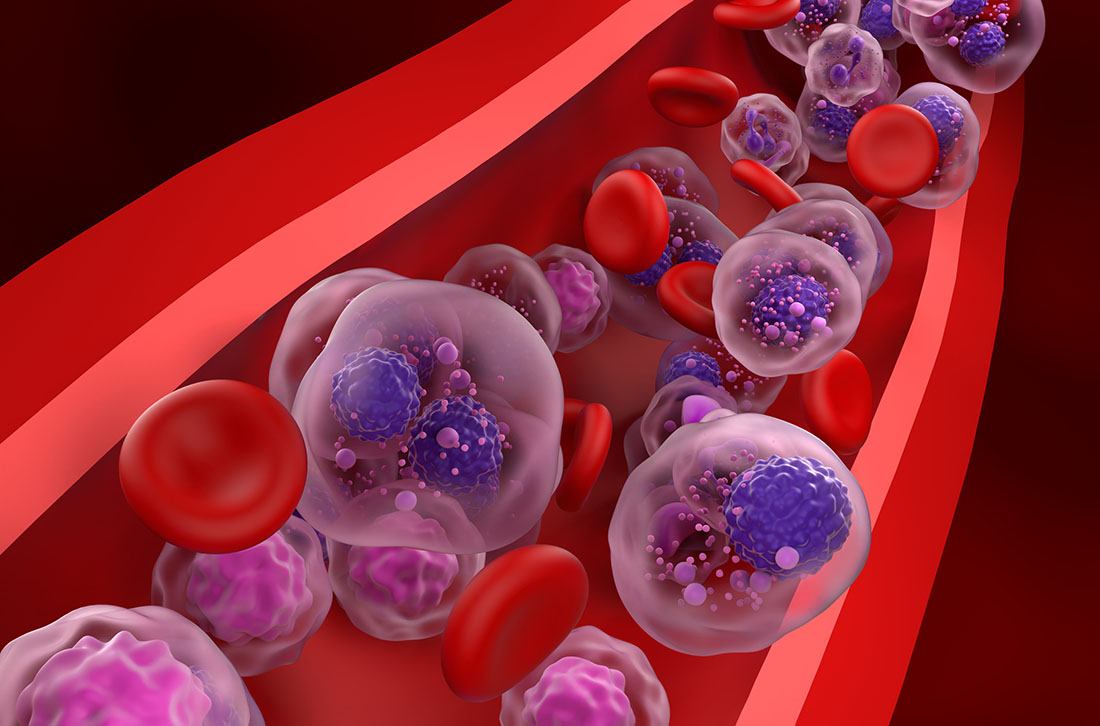
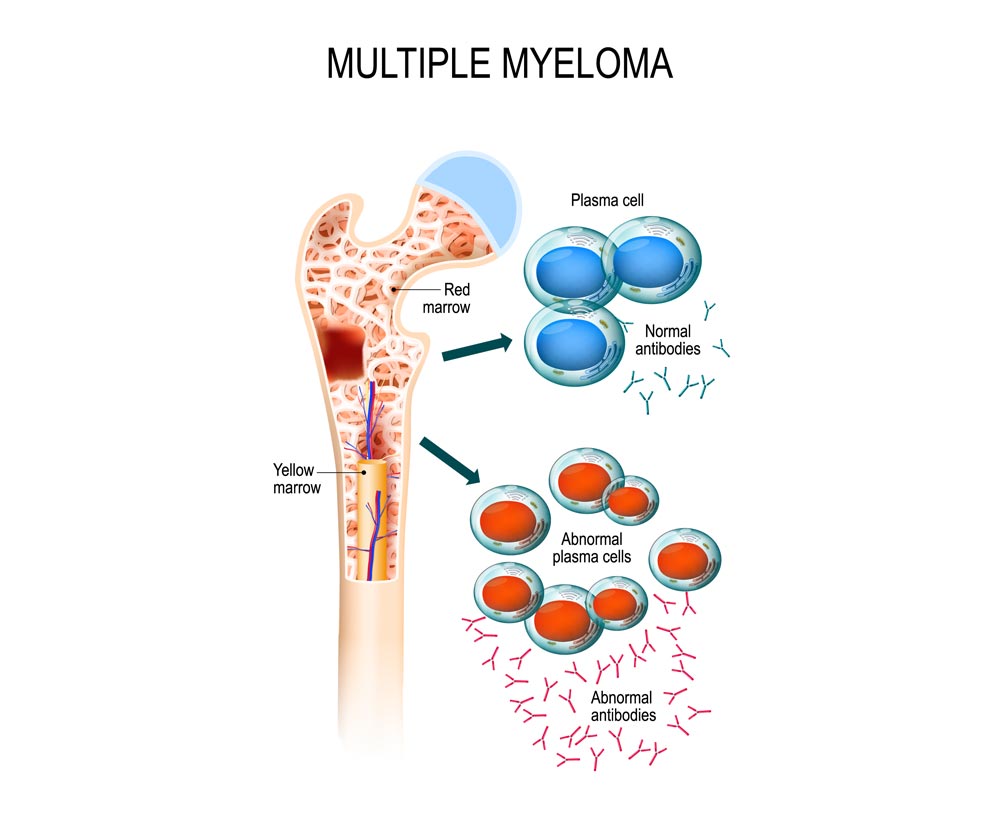
Multiple Myeloma is a cancer of plasma cells, which are responsible for producing antibodies that help the body fight infections.
In this condition, abnormal plasma cells accumulate within the bone marrow and produce large amounts of abnormal proteins. Over time, these cancerous cells crowd out healthy blood-forming cells, weaken bones, and may damage organs such as the kidneys.
Multiple Myeloma is a chronic blood cancer that requires specialized diagnosis, treatment, and long-term monitoring.
Symptoms of Multiple Myeloma
Persistent bone pain, especially in the back, ribs, or hips
Fatigue and weakness
Frequent infections
Unexplained weight loss
Increased thirst
Nausea or constipation
Causes & Risk Factors

Increasing Age
Multiple Myeloma is more commonly diagnosed in older adults, particularly after the age of 60.
Family History
Having a close relative with Multiple Myeloma or related plasma cell disorders may slightly increase risk.
Monoclonal Gammopathy (MGUS)
Individuals with Monoclonal Gammopathy of Undetermined Significance (MGUS) have a higher risk of developing Multiple Myeloma over time.
Exposure to Certain Chemicals
Long-term exposure to certain industrial chemicals may contribute to disease development.
Diagnosis of Multiple Myeloma
- Serum Protein Electrophoresis (SPEP)
- Immunofixation Studies
- Serum Free Light Chain Assay
- Bone Marrow Aspiration and Biopsy
- Kidney Function Tests
- Calcium Level Assessment


Why Choose Jeevan Amrut?

- Experienced Haematology Specialists
- Advanced Diagnostic Facilities
- Personalized Treatment Plans
- Compassionate Patient Care
- Long-Term Monitoring & Follow-Up
- Comprehensive Blood Disorder Management
Expert Multiple Myeloma Care for Better Outcomes
If you are experiencing persistent bone pain, unexplained fatigue, recurrent infections, or abnormal blood test results, specialized evaluation is important.


What is multiple myeloma?
Multiple myeloma is a cancer affecting plasma cells in the bone marrow.
What are the symptoms of multiple myeloma?
Bone pain, fatigue, anemia, kidney issues, and recurrent infections.
How is multiple myeloma diagnosed?
Blood tests, bone marrow biopsy, imaging studies, and protein analysis.
Is multiple myeloma curable?
While often considered chronic, many patients achieve long-term disease control.
What treatments are available?
Targeted therapy, chemotherapy, immunotherapy, and stem cell transplantation.
Is regular monitoring important?
Targeted therapy, chemotherapy, immunotherapy, and stem cell transplantation.