
Sickle Cell Disease
Treatment in Chh. Sambhajinagar
Comprehensive Care for a Lifelong Inherited Blood Disorder
Sickle Cell Disease (SCD) is a genetic blood disorder that affects the shape and function of red blood cells. Instead of being flexible and round, the red blood cells become rigid and sickle-shaped, making it difficult for them to flow smoothly through blood vessels. This can lead to pain episodes, anemia, infections, and other serious health complications.
What is Sickle Cell Disease?
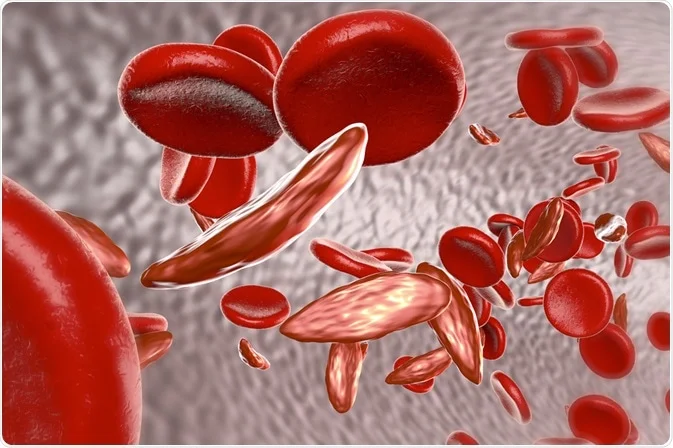
Sickle Cell Disease is an inherited blood disorder caused by a mutation in the gene responsible for producing hemoglobin, the protein that carries oxygen throughout the body.
In individuals with SCD, red blood cells become hard, sticky, and crescent-shaped. These abnormal cells can block blood flow in small blood vessels, reducing oxygen delivery to tissues and organs. The condition is lifelong and requires ongoing medical care to prevent complications and improve quality of life.
Common Symptoms of Sickle Cell Disease
Chronic anemia
Fatigue and weakness
Episodes of severe pain
Shortness of breath
Frequent infections
Vision problems
Causes & Risk Factors
Genetic Inheritance
Sickle Cell Disease is caused by an inherited mutation in the hemoglobin gene.
Family History
Individuals with a family history of Sickle Cell Disease are at higher risk of inheriting the condition.
Sickle Cell Trait
People who inherit one abnormal gene and one normal gene have Sickle Cell Trait. While they usually do not develop the disease, they can pass the gene to their children.
Certain Ethnic Backgrounds
Sickle Cell Disease is more commonly seen in populations originating from parts of Africa, the Middle East, India, and certain Mediterranean regions.
Diagnosis of Sickle Cell Disease
- Complete Blood Count (CBC)
- Peripheral Blood Smear
- Hemoglobin Electrophoresis
- High-Performance Liquid Chromatography
- Genetic Testing
- Newborn Screening Programs

Why Choose Jeevan Amrut?

- Experienced Haematology Specialists
- Advanced Diagnostic Facilities
- Personalized Treatment Plans
- Compassionate Patient Care
- Long-Term Monitoring & Follow-Up
- Comprehensive Blood Disorder Management
Expert Care for Sickle Cell Disease Starts Here
If you or a loved one has been diagnosed with Sickle Cell Disease, early and specialized care can make a significant difference in long-term health and quality of life.


What is sickle cell disease?
Sickle cell disease is an inherited blood disorder in which red blood cells become sickle-shaped, making it difficult for them to carry oxygen and flow smoothly through blood vessels.
What are the symptoms of sickle cell disease?
Common symptoms include anemia, severe pain episodes (pain crises), fatigue, swelling of the hands and feet, frequent infections, delayed growth, and jaundice.
What causes sickle cell disease?
Sickle cell disease is caused by an inherited genetic mutation in the hemoglobin gene. A child develops the disease when they inherit the abnormal gene from both parents.
How is sickle cell disease diagnosed?
Diagnosis is made through blood tests, including a Complete Blood Count (CBC), hemoglobin electrophoresis, newborn screening, and genetic testing when required.
What are the treatment options for sickle cell disease?
Treatment may include medications, pain management, blood transfusions, infection prevention, hydroxyurea therapy, and in selected cases, bone marrow (stem cell) transplantation.
Why choose Jeevan Amrut Haematology Centre for sickle cell disease treatment?
Jeevan Amrut Haematology Centre offers expert diagnosis, personalized treatment plans, comprehensive sickle cell care, blood transfusion support, advanced hematology services, and long-term follow-up to help improve patients' quality of life.