
Deep Vein Thrombosis (DVT)
Treatment in Chh. Sambhajinagar
Deep Vein Thrombosis (DVT) is a serious condition in which a blood clot forms in one of the deep veins of the body, most commonly in the legs. If left untreated, the clot can break loose and travel to the lungs, causing a potentially life-threatening condition known as Pulmonary Embolism (PE). Early diagnosis and prompt treatment are essential to prevent complications and protect long-term health.
What is Deep Vein Thrombosis
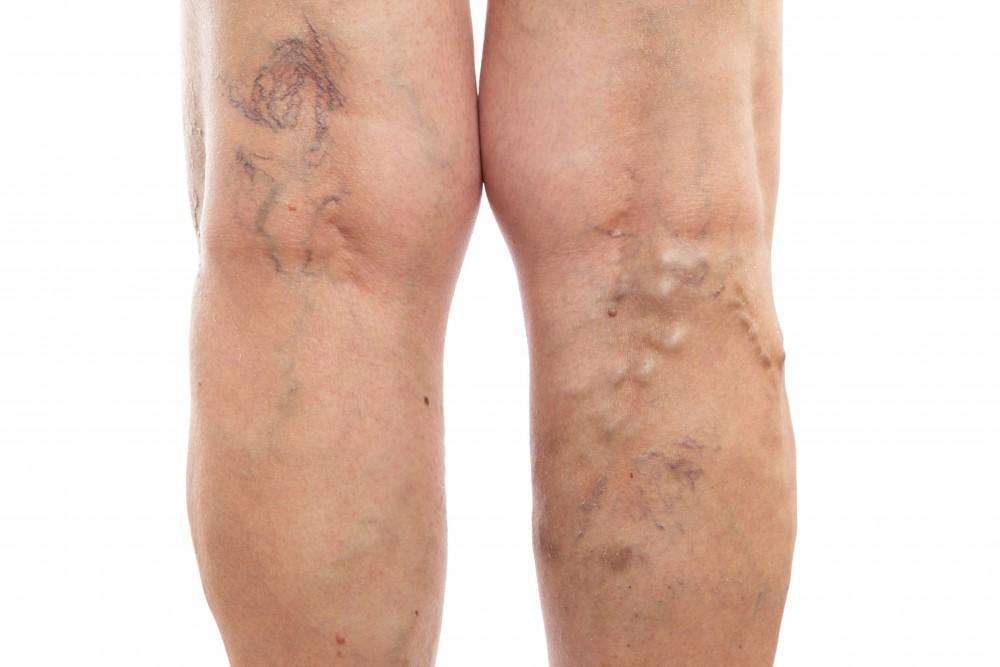
Deep Vein Thrombosis (DVT) occurs when a blood clot develops in a deep vein, usually in the lower leg, thigh, or pelvis. These clots can partially or completely block blood flow, causing pain, swelling, and circulation problems.
While DVT can affect anyone, certain medical conditions, lifestyle factors, and inherited clotting disorders can significantly increase the risk. Timely medical attention is important because untreated DVT can lead to serious complications.
Symptoms of Deep Vein Thrombosis
Swelling in one leg
Pain or tenderness in the calf or thigh
Red or discolored skin
Leg heaviness
Cramping pain that worsens
Enlarged surface veins
Causes & Risk Factors
Prolonged
Immobility
Long periods of sitting or bed rest can slow blood flow and increase the risk of clot formation.
Major Surgery or Hospitalization
Recent surgery, trauma, or extended hospitalization may contribute to DVT development.
Inherited Clotting Disorders
Certain genetic conditions increase the tendency of blood to clot abnormally.
Cancer & Cancer Treatments
Some cancers and chemotherapy treatments increase clotting risk.
Obesity
Excess body weight can place additional pressure on veins and affect circulation.
How Do We Diagnose Deep Vein Thrombosis
- Detailed Medical History and Physical Examination
- D-Dimer Blood Test
- Doppler Ultrasound of the Veins
- Coagulation Profile
- Thrombophilia Screening
- CT or MRI Venography

Why Choose Jeevan Amrut?
- Experienced Haematology Specialists
- Advanced Diagnostic Facilities
- Personalized Treatment Plans
- Compassionate Patient Care
- Long-Term Monitoring & Follow-Up
- Comprehensive Blood Disorder Management
Concerned About Blood Clots or Leg Swelling?
Early diagnosis and expert treatment can help prevent serious complications associated with Deep Vein Thrombosis.

What is Deep Vein Thrombosis (DVT)?
Deep Vein Thrombosis (DVT) is a condition in which a blood clot forms in a deep vein, most commonly in the legs. If left untreated, the clot can travel to the lungs and cause a life-threatening pulmonary embolism.
What are the symptoms of Deep Vein Thrombosis (DVT)?
Common symptoms include swelling in one leg, pain or tenderness, warmth, redness or discoloration of the skin, and leg cramps. Some people may have no symptoms.
What causes Deep Vein Thrombosis (DVT)?
DVT can be caused by prolonged immobility, surgery, injury, pregnancy, inherited clotting disorders, certain medications, cancer, obesity, or smoking.
How is Deep Vein Thrombosis (DVT) diagnosed?
Diagnosis typically involves a physical examination, Doppler ultrasound, D-dimer blood test, and, in some cases, CT or MR venography and additional blood clotting tests.
What are the treatment options for Deep Vein Thrombosis (DVT)?
Treatment may include blood-thinning medications (anticoagulants), thrombolytic therapy in selected cases, compression stockings, lifestyle modifications, and ongoing monitoring to prevent complications.
Why choose Jeevan Amrut Haematology Centre for Deep Vein Thrombosis (DVT) treatment?
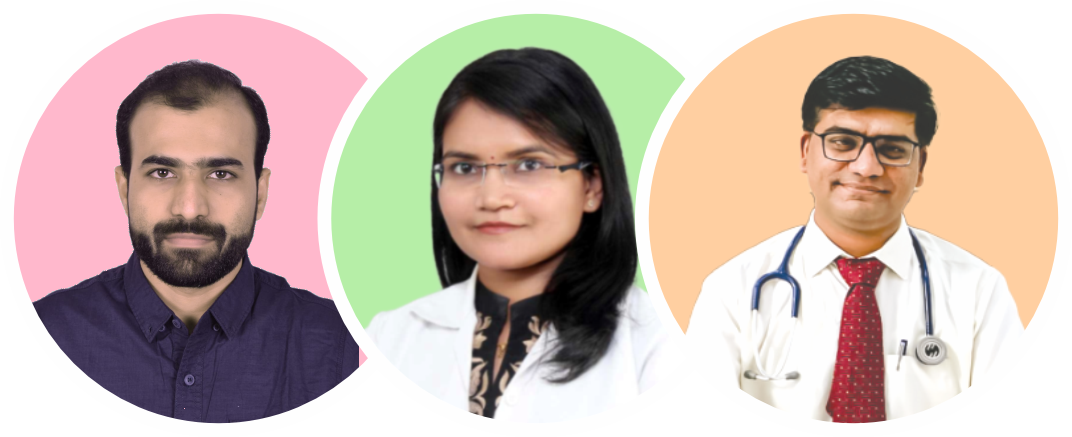
Jeevan Amrut Haematology Centre provides accurate diagnosis, comprehensive clotting disorder evaluation, personalized anticoagulation management, expert hematologist consultation, and long-term follow-up to reduce the risk of recurrence and complications.