
Pregnancy-Related Blood Disorders
Treatment in Chh. Sambhajinagar
Pregnancy brings significant changes to the body, including the blood and circulatory system. While many of these changes are normal, some women develop blood disorders that can affect both maternal and fetal health. Early diagnosis, careful monitoring, and specialized treatment are essential to ensure a safe pregnancy and healthy delivery.
What are Pregnancy-Related Blood Disorders?
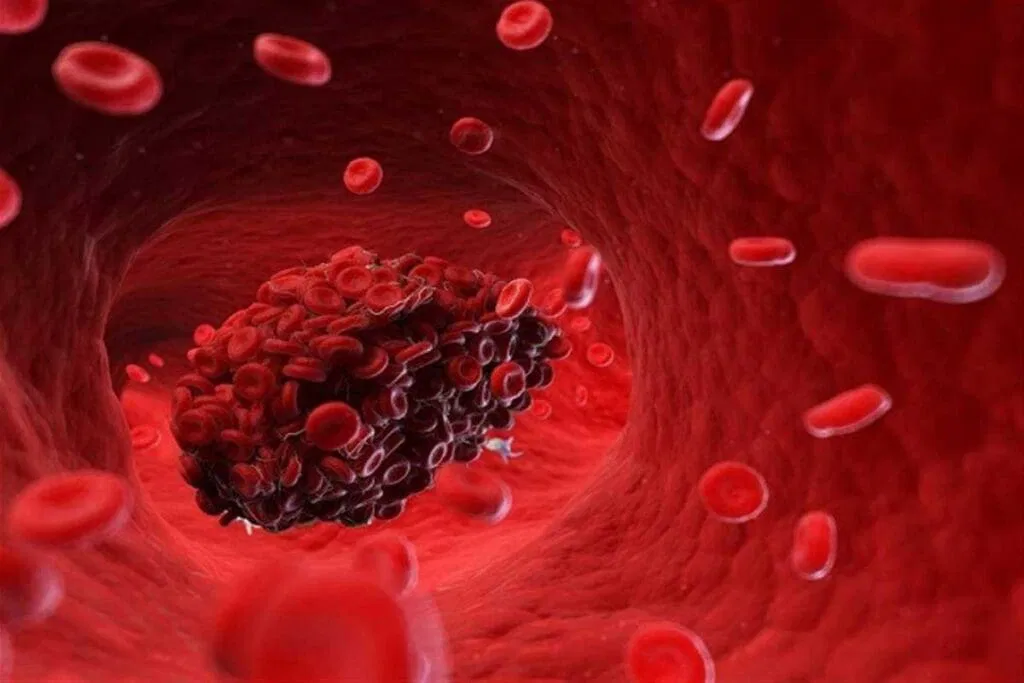
Pregnancy-related blood disorders are conditions that affect blood cells, clotting mechanisms, or bone marrow function during pregnancy. These disorders may develop for the first time during pregnancy or may worsen existing hematological conditions.
Some conditions are mild and temporary, while others require close monitoring and specialized treatment to reduce risks for both mother and baby.
Proper coordination between a hematologist and obstetrician is often important for achieving the best pregnancy outcomes.
Symptoms of Pregnancy-Related Blood Disorders
Excessive fatigue
Weakness &
Low Energy
Dizziness Tiredness
Unusual bleeding
Recurrent miscarriages
Persistent headaches
Causes & Risk Factors
Increased Blood Requirements
Pregnancy increases the body's need for iron, folic acid, and other nutrients necessary for healthy blood cell production.
Nutritional Deficiencies
Deficiencies of iron, folate, or vitamin B12 may contribute to anemia and related complications.
Hormonal and Physiological Changes
Normal pregnancy-related changes can affect platelet counts and clotting mechanisms.
Inherited Blood Disorders
Women with inherited hematological conditions may require specialized care throughout pregnancy.
Diagnosis of Pregnancy-Related Blood Disorders
- Complete Blood Count (CBC)
- Hemoglobin Assessment
- Vitamin B12 and Folate Testing
- Platelet Count Analysis
- Thrombophilia Screening
- Hemoglobin Electrophoresis
- Specialized Clotting Disorder Testing


Why Choose Jeevan Amrut?

- Experienced Haematology Specialists
- Advanced Diagnostic Facilities
- Personalized Treatment Plans
- Compassionate Patient Care
- Long-Term Monitoring & Follow-Up
- Comprehensive Blood Disorder Management
Expert Hematology Care for a Safe and Healthy Pregnancy
If you are pregnant and experiencing anemia, low platelets, clotting problems, or have a known blood disorder, specialized care can help protect both you and your baby.

What are pregnancy related blood disorders?
Pregnancy related blood disorders are conditions affecting blood cells, hemoglobin, or clotting ability during pregnancy, which can impact both mother and baby’s health.
What are common blood disorders in pregnancy?
Common conditions include anemia, iron deficiency, thrombocytopenia (low platelets), clotting disorders, and increased risk of blood clots like DVT.
What symptoms should pregnant women watch for?
Symptoms may include extreme fatigue, dizziness, shortness of breath, pale skin, unusual bruising, excessive bleeding, swelling or pain in legs, and weakness.
How are pregnancy related blood disorders diagnosed?
Diagnosis is done through routine blood tests like CBC, iron studies, platelet count, coagulation profile (PT/INR), and additional tests if needed.
How are blood disorders during pregnancy treated?
Treatment depends on the condition and may include iron supplements, vitamins, blood transfusion, platelet management, anticoagulation therapy, and close monitoring by a hematologist and obstetrician.
Why choose Jeevan Amrut Haematology Centre for pregnancy related blood disorders?
Jeevan Amrut Haematology Centre provides expert hematology care, safe pregnancy monitoring, advanced diagnostic support, personalized treatment plans, and close coordination with obstetric care to ensure safety of both mother and baby.