

Thrombocytopenia
Treatment in Chh. Sambhajinagar
Thrombocytopenia is a condition in which the number of platelets in the blood falls below normal levels. Platelets play a crucial role in blood clotting and preventing excessive bleeding. When platelet counts are low, even minor injuries can result in prolonged bleeding, bruising, or other complications. Early diagnosis and proper treatment are essential to identify the underlying cause and prevent serious health risks.
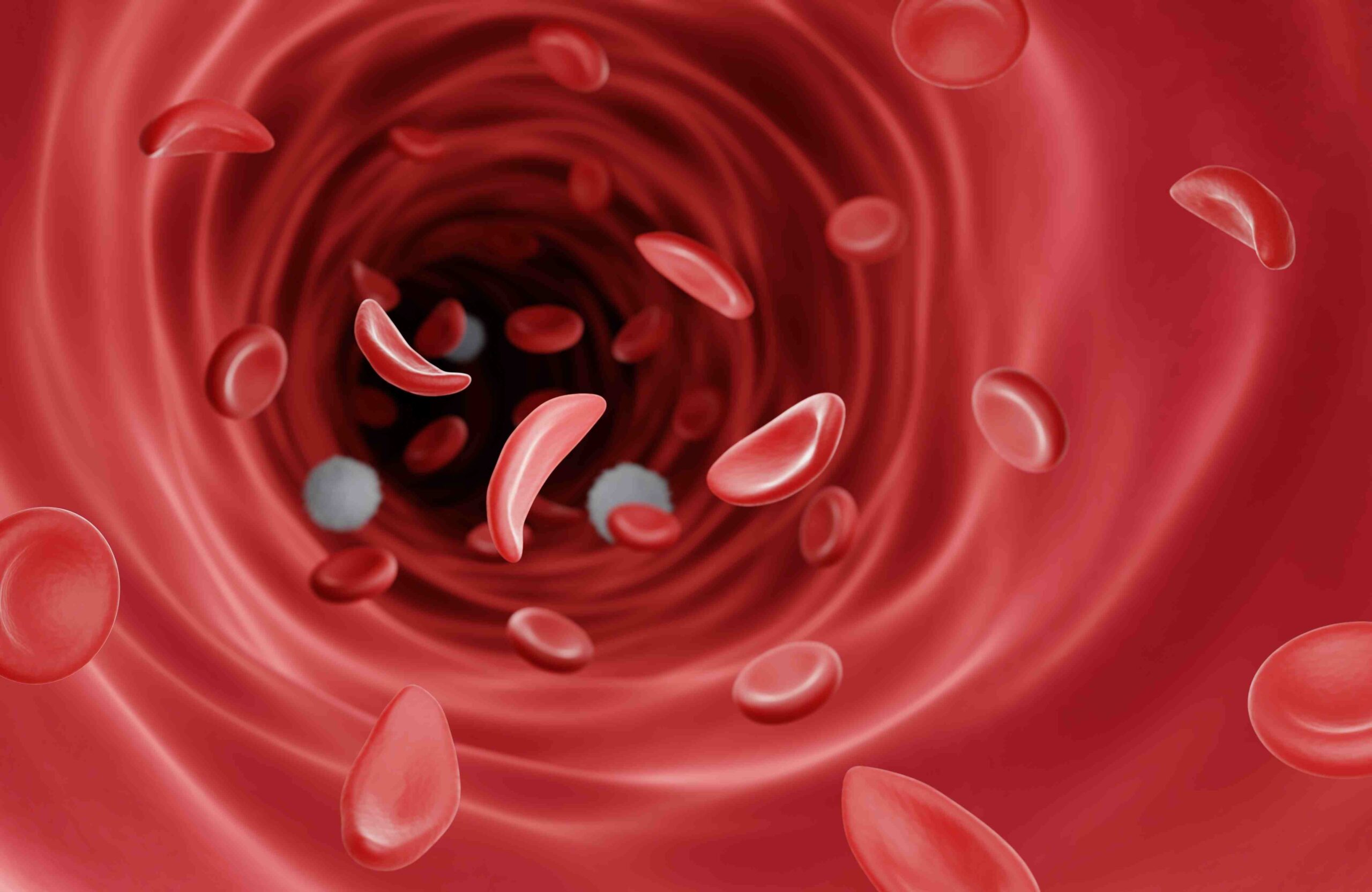
What is Thrombocytopenia?
Thrombocytopenia is a blood disorder characterized by a low platelet count. Platelets, also known as thrombocytes, help stop bleeding by forming blood clots at sites of injury.
When platelet levels become too low, the body may have difficulty controlling bleeding. Thrombocytopenia can range from mild to severe and may occur as a result of various medical conditions, infections, medications, immune disorders, or bone marrow diseases.
Symptoms of Thrombocytopenia
Easy bruising
Frequent nosebleeds
Bleeding gums
Prolonged bleeding from cuts
Excessive menstrual bleeding
Fatigue and weakness
Causes & Risk Factors
Viral Infections
Certain infections such as dengue, viral fevers, hepatitis, HIV, and other viral illnesses can temporarily reduce platelet counts.
Immune System Disorders
In some cases, the immune system mistakenly attacks and destroys platelets, leading to conditions such as Immune Thrombocytopenia (ITP).
Bone Marrow Disorders
Diseases affecting the bone marrow may reduce platelet production and result in thrombocytopenia.
Certain Medications
Some medications can interfere with platelet production or increase platelet destruction.
Diagnosis of Thrombocytopenia
- Complete Blood Count (CBC)
- Peripheral Blood Smear
- Platelet Count Analysis
- Liver Function Tests
- Viral Infection Screening
- Bone Marrow Evaluation (if required)

Why Choose Jeevan Amrut?

- Experienced Haematology Specialists
- Advanced Diagnostic Facilities
- Personalized Treatment Plans
- Compassionate Patient Care
- Long-Term Monitoring & Follow-Up
- Comprehensive Blood Disorder Management
Concerned About Low Platelet Counts?
Early diagnosis and expert hematology care can help identify the cause of thrombocytopenia and prevent serious complications.


What is thrombocytopenia?
Thrombocytopenia is a condition in which the platelet count is lower than normal, increasing the risk of excessive bleeding and bruising.
What are the symptoms of thrombocytopenia?
Common symptoms include easy bruising, prolonged bleeding, frequent nosebleeds, bleeding gums, tiny red or purple spots on the skin (petechiae), and heavy menstrual bleeding.
What causes thrombocytopenia?
Thrombocytopenia can be caused by immune disorders, viral infections, certain medications, bone marrow diseases, nutritional deficiencies, or increased destruction of platelets.
How is thrombocytopenia diagnosed?
Diagnosis includes a Complete Blood Count (CBC), peripheral blood smear, bone marrow examination (if needed), and additional tests to identify the underlying cause.
What are the treatment options for thrombocytopenia?
Treatment depends on the cause and may include medications, corticosteroids, immunotherapy, platelet transfusions, treatment of the underlying condition, or other specialized therapies.
Why choose Jeevan Amrut Haematology Centre for thrombocytopenia treatment?
Jeevan Amrut Haematology Centre provides expert diagnosis, advanced laboratory investigations, personalized treatment plans, comprehensive platelet disorder management, and long-term follow-up to ensure the best possible patient care.